
You know that feeling when you know you need a trip?
Your mind jumps ahead to beaches, city lights, or mountain views. But the moment you sit down to plan, everything feels overwhelming. Flights. Budgets. Packing lists. Itineraries. Suddenly the excitement turns into chaos.
I’ve been there too. Dozens of open tabs. Half-written notes. And that quiet voice asking:
“Am I doing this right?”
Here’s the truth: planning a trip doesn’t have to feel stressful or complicated. Once you understand how to plan a trip step by step, the entire process becomes clear, organized—and surprisingly satisfying.
At Chic Voyageur, travel planning is about confidence, not perfection. Whether you’re a beginner traveler, solo explorer, couple, or family, this guide will walk you through every step — without overthinking every detail.
Simple steps. Real advice. No fluff.
Let’s plan your trip like a pro — and keep it human.
Step 1: Decide Where and When You’re Going
Before searching flights or hotels, ask yourself three honest questions:
- How many days do I actually have?
- How much can I realistically spend?
- Do I want rest, adventure, or balance?
This step feels boring, but it saves you hours later — I’ve learned that the hard way.
Rule of Thumb
- Long weekend → Stay close
- One week → One main destination
- Two weeks → Travel slower or explore multiple regions
Flexibility is your secret weapon. If your dates or destination are flexible, finding affordable flights becomes dramatically easier.
How Far in Advance Should You Plan?
| Trip Type | Ideal Planning Time |
|---|---|
| Weekend getaway | 1–3 weeks |
| Domestic trip | 1–3 months |
| International trip | 3–6 months |
Last-minute trips still work — especially if you avoid peak seasons and stay flexible with airports.
If you’re still deciding where to go, explore our guide to the best places to visit in Europe for inspiration.

Step 2: Set a Realistic Travel Budget (Including Hidden Costs)
A realistic travel budget includes more than just flights and hotels.
Break it into simple categories:
- Transportation (flights, trains, car rental)
- Accommodation
- Food
- Activities & tours
- Extras (souvenirs, tips, emergencies)
Hidden Costs People Forget
- Airport transfers
- Luggage fees
- Travel insurance
- Currency exchange fees
- Local tourist taxes
My rule: I keep a small “oops fund” for surprises — because surprises always show up.
If you’re learning how to plan a trip on a budget, this step determines everything else.
Step 3: Book Flights and Accommodation (In the Right Order)
Flights first. Accommodation second.
I used to refresh flight pages like it was my job. Booking early saved my sanity.
Why?
- Flight prices change constantly.
- Accommodation is usually more flexible.
How to Find Cheap Flights
- Compare flexible dates
- Check nearby airports
- Fly mid-week
- Avoid peak holiday periods
Once flights are confirmed, book accommodation.
Hotel vs Airbnb
Hotels
- Short stays
- Daily cleaning
- Convenience
Airbnb
- Longer stays
- Kitchens
- Good for families or groups
This is usually the moment the trip starts to feel real.
For example, if you’re heading to France, read our detailed guide on where to stay in Paris before booking your hotel.
Step 4: Build a Loose, Flexible Itinerary (Don’t Overplan)
How do you create an itinerary without overplanning?
Use a flexible itinerary with one main activity per day and plenty of free time to avoid burnout.
Overplanning kills joy. Use the 3-anchor rule:
- 1 main activity per day
- 1 backup option
- Open time for wandering
A travel itinerary template or spreadsheet helps—but don’t schedule every hour. Leave room for cafés, detours, and happy accidents.

Step 5: Plan Transportation Inside Your Destination
How do you plan transportation within a destination?
Choose transport based on distance—public transit for cities, trains for regions, and cars for road trips.
- Cities → public transport
- Countries → trains
- Road trips → rental cars
If you land late, plan the first ride (airport to hotel) in advance — arriving tired is not the time to improvise.
If you’re planning a road trip, map driving distances before booking stays. Drives always look shorter online than they feel in real life.
If your trip includes a major hub like Dubai, check our Dubai Airport terminal guide to plan transfers smoothly.
Step 6: Handle Documents Early
What documents do you need for international travel?
Most international trips require a valid passport, possible visa, travel insurance, and sometimes vaccinations.
Checklist:
- Passport (valid at least 6 months)
- Visa (if required)
- Travel insurance
- Vaccination records (if needed)
It’s old-school, but it has saved me more than once when Wi-Fi failed.
Make digital copies. Email them to yourself. Old-school, but reliable.
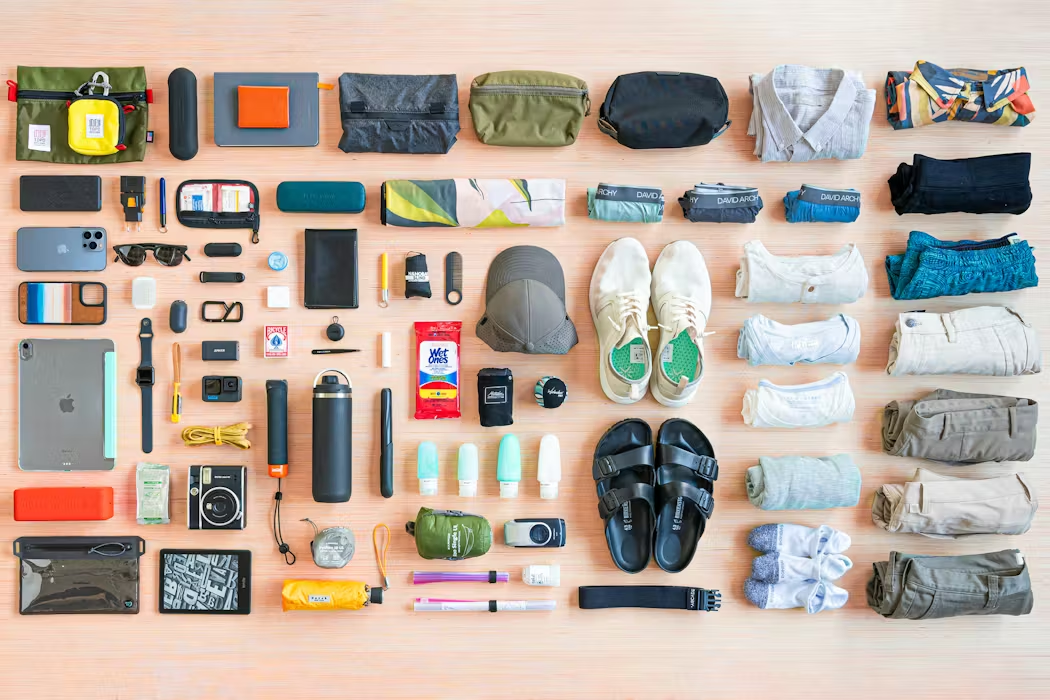
Step 7: Pack Smart (Not Heavy)
What should you pack—and how do you avoid overpacking?
Pack versatile clothing, comfortable shoes, and essentials you’ll actually use—skip “just in case” items.
Start with a travel packing checklist:
- Re-wearable clothes
- Comfortable shoes
- Weather-appropriate layers
- Chargers and adapters
Golden rule: If it doesn’t match at least two outfits, it doesn’t go.
I’ve never regretted packing lighter — but I’ve regretted overpacking every single time.


Step 8: Stay Safe and Prepared
How do you stay safe while traveling?
Stay safe by sharing your itinerary, avoiding valuables, knowing local scams, and preparing emergency info.
- Share your itinerary with someone
- Avoid flashing valuables
- Learn common local scams
- Know emergency numbers
A simple travel safety checklist goes a long way.
Travel smart, not scared.
Step 9: Use the Right Apps (Not All of Them)
What travel apps are actually useful?
he best travel apps help with navigation, bookings, budgeting, and offline access—no more than a few essentials.
You don’t need 20 apps—just the right ones.
These are some of the best trip planning apps that actually help:
- Itinerary organizers
- Route planners
- Offline maps
- Currency converters
Step 10: Do a Final 48-Hour Check
What should you do before leaving for a trip?
A final 48-hour check ensures bookings, documents, downloads, and essentials are ready before departure.
Before you leave:
- Recheck bookings
- Download offline maps
- Confirm transportation
- Set an out-of-office email
- Charge everything
This step turns “hope” into confidence.
Top Travel Tools That Make Planning Easier
Here’s a quick table of tools that genuinely help when learning how to plan a trip step by step:
| Tool | Why It Helps |
|---|---|
| TripIt Pro | Keeps all bookings in one place |
| Rome2Rio | Shows best transport routes |
| Google Maps | Offline navigation & saved lists |
| Google Flights | Flexible date comparisons |
| Skyscanner | Finds cheaper flight options |
| Booking.com | Flexible accommodation booking |
| Airbnb | Budget-friendly longer stays |
| XE Currency | Currency conversion |
| Wise | Manage money abroad |
| Packing Cubes | Stay organized |
FAQs (Quick Answers)
How to Plan a Trip
What is the first step in planning a trip?
Choose your dates and set a realistic budget. Everything else depends on these two decisions.
How far in advance should I plan a trip?
Weekend trips require weeks; international trips often need 3–6 months.
Should I book flights or hotels first?
Flights first. Prices fluctuate more aggressively.
How do I plan a solo trip?
Stay central, prioritize safety, keep plans flexible, and avoid isolated accommodations.
How do I plan a family vacation?
Choose fewer destinations, kid-friendly stays, and schedule rest days.
Is last-minute travel risky?
Not necessarily. Flexible dates and avoiding peak season make it manageable.
Conclusion: Your Trip Is Closer Than You Think
Planning a trip isn’t about being perfect.
It’s about being prepared enough so you can actually enjoy the ride.
Now you know how to plan a trip step by step—from choosing a destination to packing your bag without panic.
So here’s your move:
- Pick a date
- Open a fresh note
- Start with Step 1
And if this guide helped you, bookmark it, share it, or come back before your next trip.
Adventure loves preparation—but it rewards courage even more.
This guide is part of our Plan Your Trip travel planning resources, designed to help travelers prepare step by step.